
Douglas County Arrest Warrants Explained
An arrest warrant is a signed order from a judge or magistrate. It rests on probable cause. That means facts strong enough to fairly support a belief that a crime happened and that the named person did it. A police report or an application alone is not a Douglas County arrest warrant.
Where the record lives depends on the charge. Felony files sit with the Clerk of Superior Court. State Court holds many misdemeanors, and Magistrate Court takes some warrant applications plus early hearings. Douglasville, Austell, and Villa Rica police handle cases inside their own city lines. Route your question by offense and issuing court.
Douglas County Probable-Cause Review
Magistrate Court can hear certain pre-arrest warrant applications. A hearing on the calendar proves nothing about the outcome, since the judge may deny it, continue it, or pass it to another court. Georgia HB 1131, effective July 1, 2026, changed notice rules for some applications filed by private citizens rather than officers. The change is narrow, though, and leaves most DCSO warrant steps untouched.
The official Magistrate Court page lays out the court's bond, preliminary-hearing, and warrant-application work. Ask its clerk what order or docket entry actually exists. A hearing date by itself is not a warrant.
Inside a Douglas County Arrest Warrant
A Douglas County warrant file can list the issuing authority, court, case number, issue date, alleged charge, bond notation, and service or return. Some parts stay sealed. Protected identifiers and pending investigative facts are often withheld. The field list here shows a safe structure without exposing anyone's personal data.
| Case number | PRIVATE-CASE-ID, kept private in examples |
|---|---|
| Issuing authority | Court and judge or magistrate |
| Recorded basis | Charge or alleged offense if public |
| Issue date | Date the order was signed |
| Bond | Amount or conditions if current and public |
| Service or return | Served, unserved, recalled, or not stated |
DCSO Arrest Warrant Processing
Once a warrant reaches the DCSO Fugitive & Warrants Division, a set routine begins. Staff log it in an internal database, confirm who the subject is, and pull criminal history. The wanted-person entry then goes into NCIC, and the case is handed to uniform deputies or Fugitive investigators. The unit also backs up other agencies across jurisdiction lines. That process serves law enforcement, not the public. NCIC and the sheriff's own database stay closed to you, and Douglas County offers no complete public name-search portal. A public docket can still help you spot the case number. For live enforcement status, call DCSO or the issuing court. If a court later recalls the warrant, confirm the serving agency got the order, since systems do not update at the same moment.
Serving Arrest Warrants in Douglas County
DCSO processes and executes criminal arrest warrants across Douglas County. Inside Douglasville, Villa Rica, and Austell, city police lead, with sheriff backup on request. Service can come through direct contact, a transfer between agencies, or a planned surrender. A court record cannot tell you when or where contact will happen. After arrest, booking, a first appearance, and a bond hearing may follow. Bond covers release while the case is pending. It does not erase the alleged offense. One more wrinkle: the jail and Magistrate pages post different Monday bond-hearing start times, so call ahead instead of trusting a single schedule.
Douglas County Jail and Bond Route
The sheriff and jail sit side by side on Earl D. Lee Boulevard. Records and warrant routing start at 8470, while the jail page lists 8472. For Douglas County questions, pick the right desk. The DCSO main line is 770-942-2121. The jail number is 770-942-4333. The official jail information page carries public schedule guidance rather than a booking record.
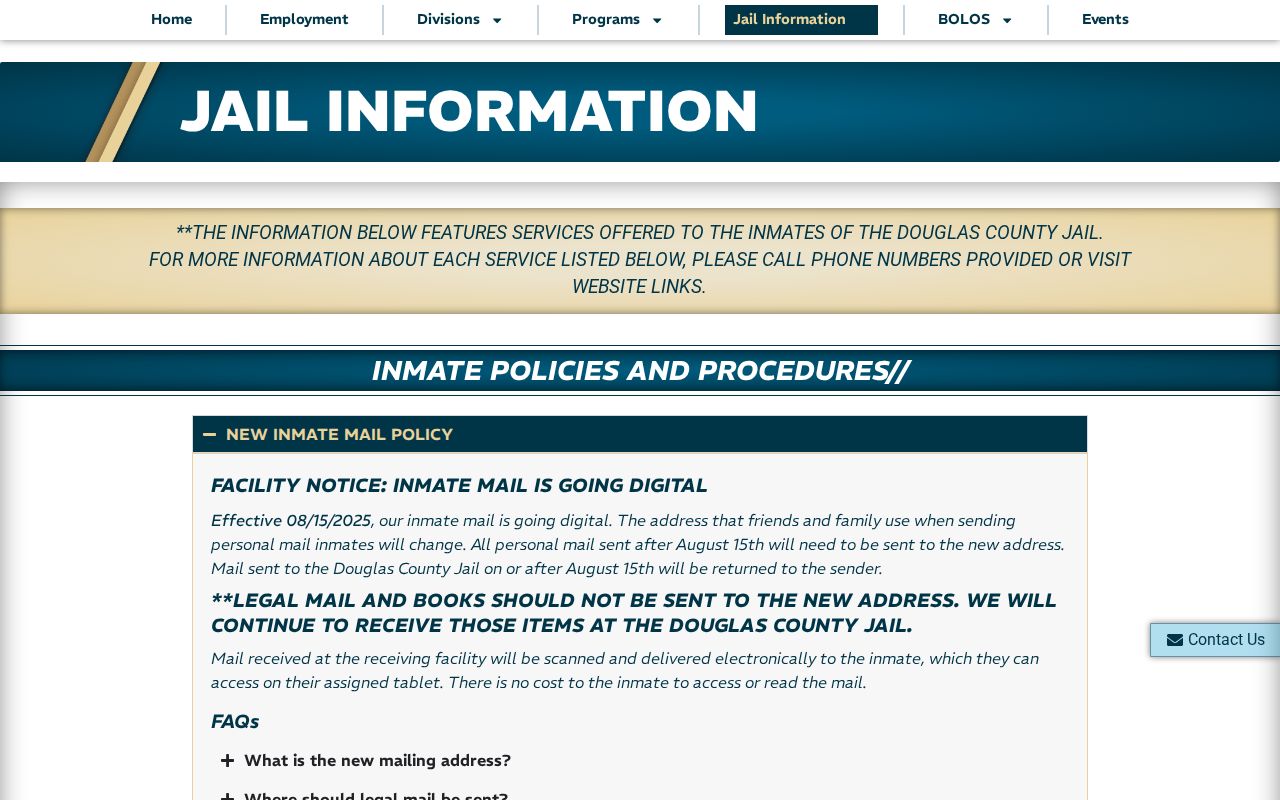
Confirm the bond location and time before you go. Ask the court clerk about the file, DCSO about warrant routing, and the Douglas County jail about custody logistics.
Comparing Arrest, Summons, and Bench Warrants
Each instrument calls for a different response. An arrest warrant authorizes custody after probable cause. A summons directs attendance without any arrest command. A bench warrant usually follows a missed duty inside an existing case. The Douglas County bench warrant search covers that court-obligation path.
| Feature | Arrest Warrant | Summons | Bench Warrant |
|---|---|---|---|
| What it orders | Custody | Appearance | Return on a missed duty |
| Basis | Probable cause | Formal notice | FTA or contempt |
| Response | Counsel, surrender, bond | Appear as directed | Issuing-court recall process |
Douglas County Official Confirmation
Georgia.gov points anyone checking for an existing warrant to the local sheriff. Have the legal name, birth date, and county ready. Some Douglas County offices answer by phone; others want you in person. The state warns that showing up in person can mean immediate custody when a warrant exists. DCSO Records takes focused requests through its official records channel and records@sheriff.douglas.ga.us. Name the record you want, such as a warrant return, policy, or log, with a narrow date range. An open-records request is not live status confirmation, and the agency need not create a new report. For judicial orders, the court file remains authoritative. Use the sheriff for enforcement status. Use the clerk for the docket, recall, bond order, or next hearing.
If There Is an Arrest Warrant for You
Pin down the issuing court, the case number, and the warrant's current status. Then talk with a defense lawyer. A lawyer can walk you through a voluntary surrender, the bond, and your first court setting. Only a judge can recall a Douglas County arrest warrant, so a call to DCSO, a paid citation, or a blank online result clears nothing.
- Verify the official record and issuing court.
- Ask counsel about surrender and bond before appearing.
- Confirm booking and hearing logistics with the right office.
- Attend court and keep all release or recall papers.
- Verify later court action reached the sheriff.
Important: An in-person inquiry may result in custody, so obtain legal advice and official surrender instructions before going to a law-enforcement office.
Douglas County Court and DDS Split
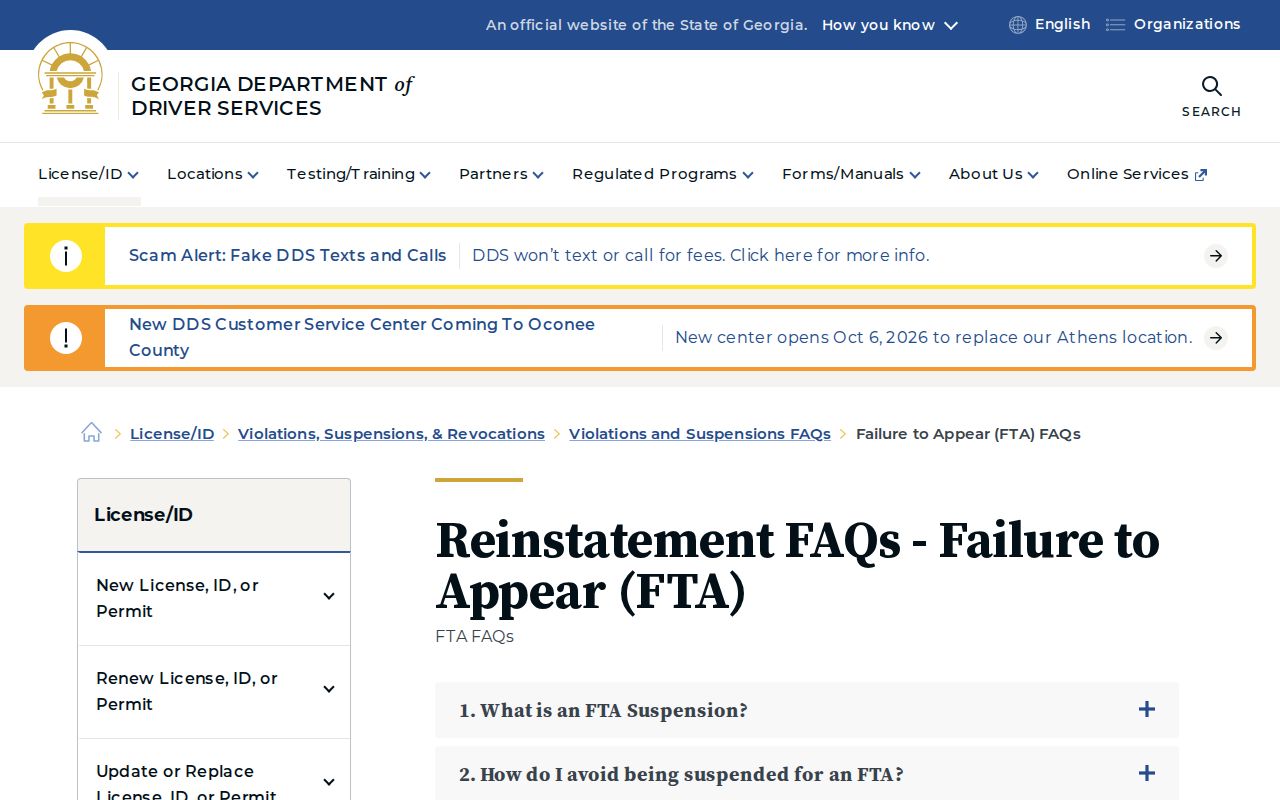
A traffic FTA in Douglas County hits twice. The court imposes its own consequence. It must also send DDS an FTA release before your license moves. DDS handles the license side alone. Neither step tells you anything about a criminal warrant, and the Georgia DDS FTA page covers only that license process, not any warrant lookup.
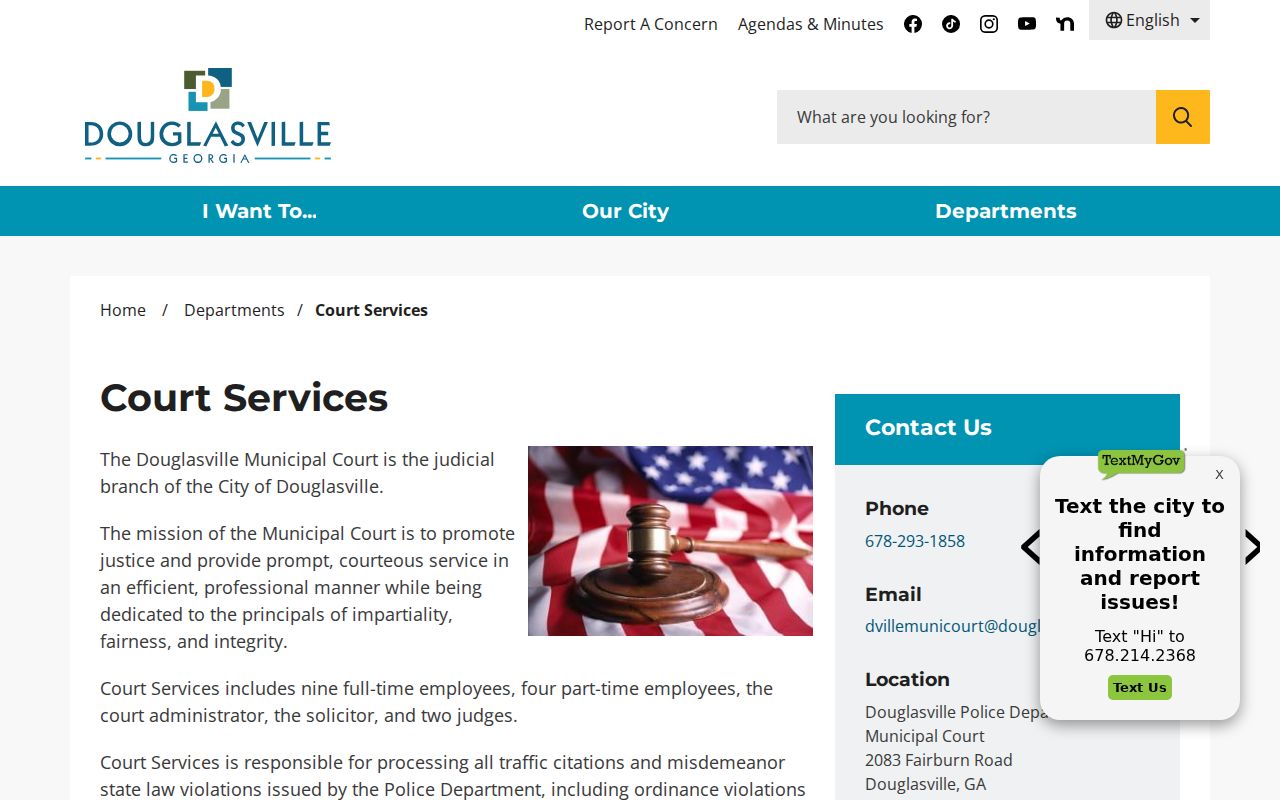
For city matters, Douglasville Court Services runs a separate track in Douglas County. The official city court page lays out procedure but shows no person-specific cases.
Treat each office as covering its own role. Neither page confirms a Douglas County criminal warrant. When the charge is a felony, the Superior Court Clerk keeps the court file. State Court holds the misdemeanor records. Magistrate Court keeps its own warrant-application and early-hearing papers. The public case search can point you to the right file, though only the court can explain its order and only the serving agency can confirm whether enforcement is still active. Hang on to the case number, the order date, and any recall paper that follows. If the file is sealed, juvenile, or tied to a pending investigation, Georgia law lets the custodian restrict or redact what you see.