
Douglas County's Most Wanted Program
The Douglas County Sheriff's Office maintains an official Most Wanted category through its Fugitive and Warrants Division. The point is simple: get the public's help finding people the agency wants located. Each post comes straight from the agency, and tips can be made anonymously. For anything current, that page is the place to look. No name, photo, description, date of birth, or alleged offense from the roster is repeated here, since a copied version goes stale fast and can mislead. The Douglas County page also names no standard reward amount, no set reward policy, no fixed update schedule, and no reliable current-as-of time for the whole category.
Douglas County Program, Not Database
The category is curated, not complete. DCSO picks a small set of notices for attention while its Warrant Division handles far more warrant work behind the scenes. A missing name proves nothing. Someone can hold an active warrant without ever appearing on the page, and an old post does not confirm a warrant still stands. For a real status answer in Douglas County, call the responsible court or DCSO.
What it is: an official public-assistance channel tied to selected sheriff notices.
What it is not: a complete, live, statewide, or countywide name-search index.
That boundary serves accuracy and due process alike, since a Douglas County wanted status can change after service or recall.
How the Most Wanted Lists Work
Behind the public list sits real work. The Douglas County Sheriff's Office receives warrants, records them, verifies identity and criminal history, and enters wanted-person details into law-enforcement systems before assigning service. Fugitive investigators then track down people believed to be dodging arrest, often alongside other agencies. One member serves on a multi-jurisdictional task force under the U.S. Marshals Service. The Most Wanted category itself is just the publication end of that process. Posts may carry their own dates, but the category follows no fixed update schedule, so open the official Douglas County page each time rather than saving a copy of a card or post.
Douglas County Official Page Boundary
Douglas County's public program view stops short of any named profile. That privacy line is deliberate. For current notices and the tip path, use the official DCSO Most Wanted page.
The generic program view shows the Douglas County source without reprinting a face, offense card, or named roster.
Reporting a Tip Safely
Route any useful information through an official channel. The DCSO anonymous tipline is 770-920-7139, and the current Most Wanted category adds an online anonymous tip form. An emergency means 911. The page also lists 770-949-5656 as a general law-enforcement contact, while DCSO's main office number in Douglas County is 770-942-2121.
Safe tip steps:
Note what was seen, where, and when without following anyone.
Use the official tipline or online path.
Do not confront, detain, question, or post accusations about a person.
Tell dispatch at once if there is an immediate threat.
The page offers no blanket warning about approaching a subject. Even so, leave the watching and the contact to law enforcement.
Douglas County Tips Need Facts
A good Douglas County tip rests on what you saw yourself. Note the location, the time, the direction of travel, and anything else the operator asks for. Keep hearsay separate from firsthand observation. Never trespass, enter private property, or use tracking tools, and avoid any step that puts someone at risk.
- Open the current DCSO program page and use its listed route.
- Describe the observation in plain words without adding a claim of guilt.
- Provide a safe callback method only if desired or requested.
- Let law enforcement assess identity, legal status, and response.
Never promise a reward. The Douglas County program publishes no general amount or payment policy.
Most Wanted Lists vs Active Warrants
An active warrant reflects live court and enforcement status. A most-wanted notice is simply a publishing choice. A BOLO reaches further in Douglas County, and it may ask for help finding a missing person, a vehicle, an identification, or another public-safety matter.
| Source | Main purpose | Completeness | Best next step |
|---|---|---|---|
| Most Wanted | Selected public tips | Curated subset | Use official tip route |
| Warrant record | Court order and service | Depends on custodian | Confirm with court or sheriff |
| BOLO | Broad public assistance | Not a warrant list | Read the exact agency notice |
| Case docket | Court history | Not live enforcement status | Ask the clerk and DCSO |
For a fuller explanation of status, consult the Douglas County outstanding-warrants process.
Douglas County BOLO Is Broader
The sheriff's BOLO category shows why labels matter. A Douglas County BOLO can be a public notice about a person, a vehicle, or a request for identification. Some items tie to an investigation or warrant. Others do not. Relabel a BOLO as a wanted-list entry and a simple request for help starts to read like an accusation nobody has made. The official DCSO BOLO page gives the category view itself, listing these notices as they appear.
Read each Douglas County label as written, and never assume a BOLO means an arrest warrant.
If You Think You Are on a List
Skip the saved copies, clipped posts, and search-engine snippets. Go to the current official source, then call a lawyer and the office tied to the suspected warrant. Only the issuing court can confirm, recall, or quash it. The Douglas County Sheriff's Office can explain its own confirmation route and whether a recall or release has come through.
Do not make an unplanned surrender based only on a web post. Georgia warns that an in-person warrant inquiry may result in immediate custody. Ask counsel about the safest lawful next step.
A phone call does not cancel a warrant, and paying a city citation will not always clear a related bench warrant. Keep every court order, receipt, release, and clerk letter. Confirm the Douglas County enforcement office actually received the court's action.
Federal Warrants Use Another Lane
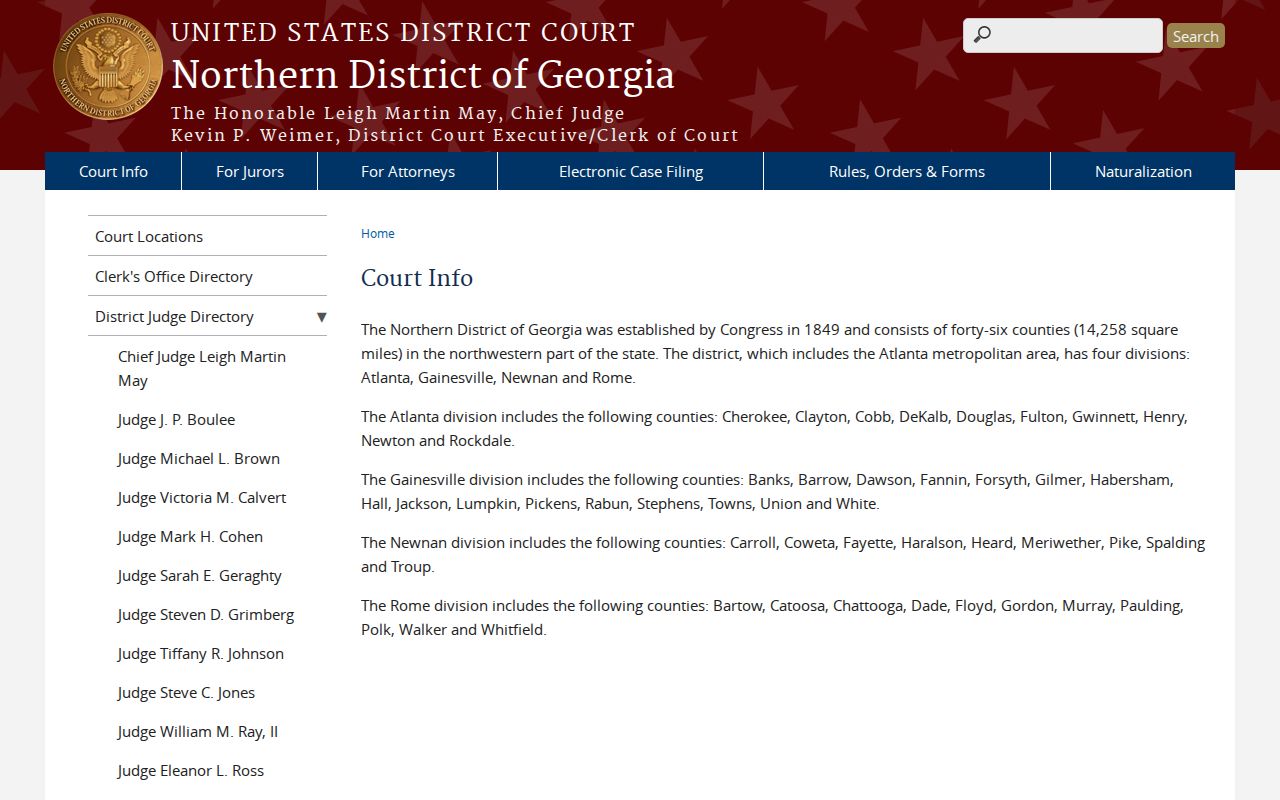
A federal warrant puts you in a different system entirely. Douglas County sits inside the Atlanta Division of the Northern District of Georgia. That U.S. District Court holds the criminal files worth checking. Its records can hold sealed complaints, grand-jury material, warrants, summonses, and docket entries. PACER and the federal clerk are the official routes in. A sheriff's warrant inquiry in Douglas County will not tell you federal status. The Northern District court information page lays out the district structure, though it carries no wanted-person roster of its own.
Douglas County Publication Safeguards
A most-wanted post can outlive the facts behind it. Names and photos sometimes stay online after circumstances change in Douglas County. A copied version may also drop the sheriff's current contact details or its latest correction. The sound habit: link to the official category, state its limits, and let the sheriff keep its own notices current.
- Curated
- Selected for publication rather than a complete list.
- Active
- A status that the issuing court or responsible agency must confirm now.
- Recalled
- Withdrawn by court action, subject to receipt and processing by enforcement staff.
- Tip
- Information given to law enforcement for its assessment, not a public accusation.
Handled this way, the Douglas County program stays useful without becoming a privately hosted roster. Don't save a profile and treat it as permanent. Go back to the agency source instead, note the post date, and let DCSO judge whether the information still serves a purpose. Search snippets and social reposts have a long shelf life. They can linger after an official change and skip the agency's newest contact instructions. When a copied notice clashes with the current page, the agency and the issuing court are the places to confirm what stands.